Change That Sticks
Most organizations don’t struggle because of strategy- they struggle because their leaders and teams are neu- rologically conditioned to repeat the same patterns under pressure.
Change how your leaders and teams
think, respond, and lead-
so your organization performs consistently under
pressure.
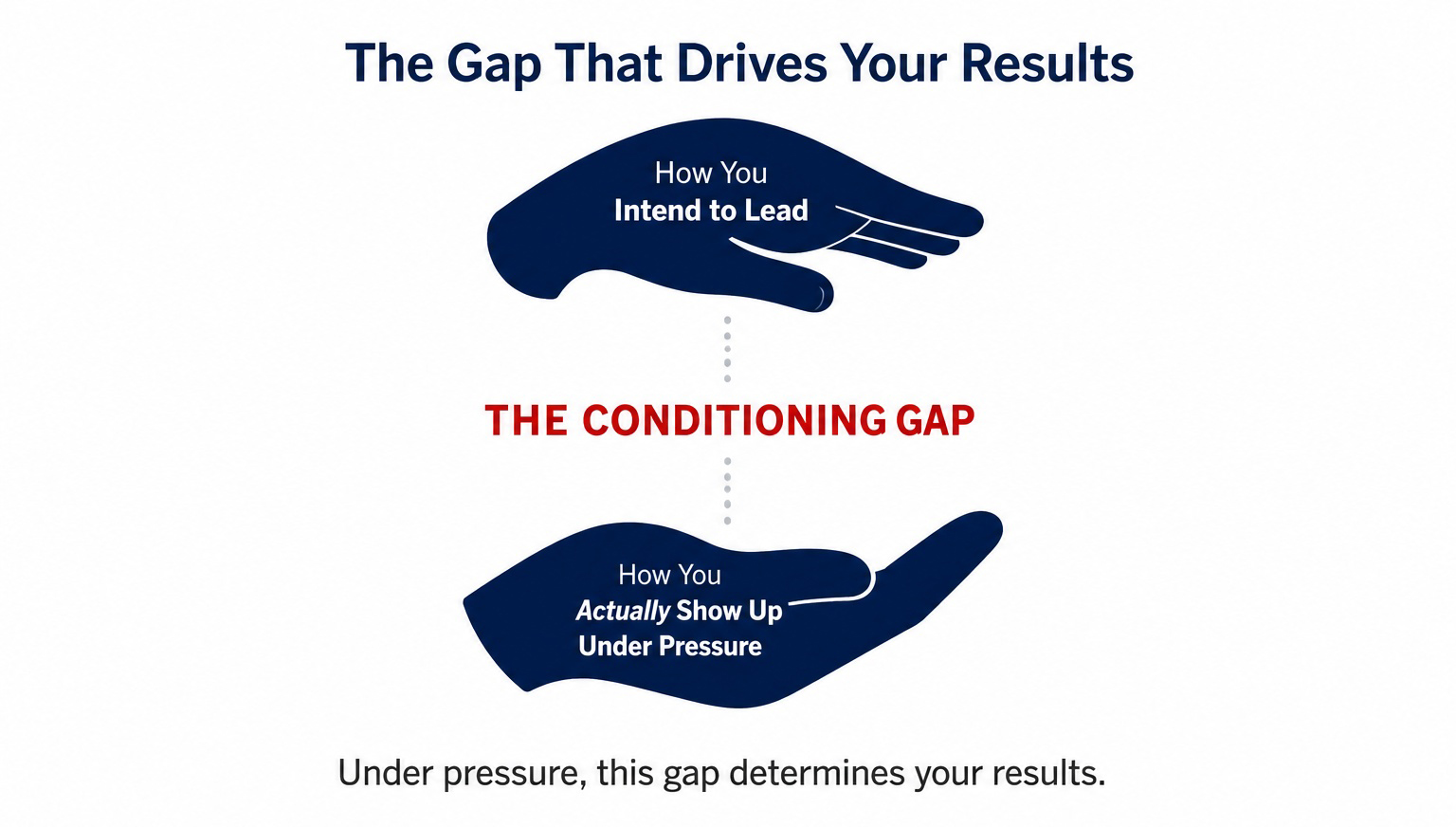
When this gap exists:
- Leaders react instead of respond
- Communication breaks down
- Teams fall out of alignment
- Execution becomes inconsistent
When this gap closes:
- Decisions become faster and clearer
- Communication improves across teams
- Alignment strengthens
- Performance improves and becomes more consistent
Why Execution Breaks Down Under Pressure
Most organizations don’t struggle because of strategy.
They struggle because under pressure:
- Leaders react instead of respond
- Emotions override intention
- Behaviors repeat automatically
- Teams fall back to familiar patterns
Over time, those patterns become culture.
Your culture, not strategy, drives results.
And most organizations don’t even realize it’s happening.
They try to fix performance through better execution.
But performance is being driven by patterns under pressure.
What You Can Expect
- Faster, clearer decision-making under pressure
- Reduced emotional reactivity
- Stronger alignment across leadership teams
- More consistent execution
Why Even Great Leaders Get Stuck
Under pressure, the brain shifts into survival mode.
- Attention narrows.
- Emotions intensify.
- The body prepares to react.
- Over time, these reactions become familiar-then automatic.
- The body begins to memorize emotional responses like urgency, frustration, and control.
- When the next pressure moment hits, the response isn’t chosen.
- It’s repeated.
- Not because they lack capability-but because the pattern is already in place.
The body moves first. The mind explains later
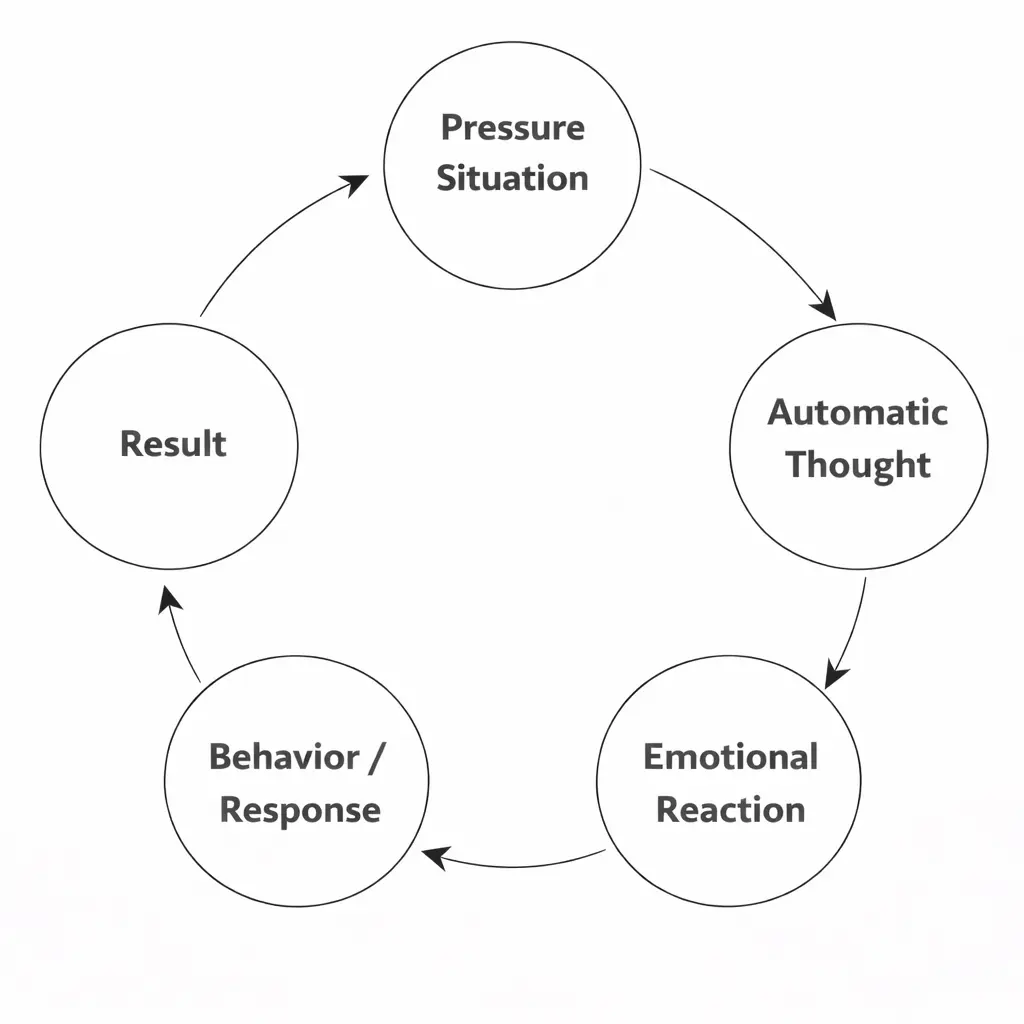
When these patterns repeat, they
don’t just shape behavior.
They shape culture.
A Proven Process for Changing Behavior at Scale
Neuro Change Solutions is not a one-time event or motivational session.
It’s a structured training experience designed to create lasting change.

12-14 hours of guided training

Practical application to real business situations

Leadership team integration

Tools to cascade change throughout the
organization
Lasting results require more than awareness.
They require action, repetition, and reinforcement
Why This Work Is Different
Most leadership development focuses on:

Strategy

Skills

Behaviour
But behavior doesn’t change unless the underlying patterns change.
As a Neuro Change Solutions Certified Coach, I work with leaders to:
- Identify stress-driven patterns
- Interrupt automatic reactions
- Recondition emotional responses
- Align thinking, behavior, and results
Most people don’t struggle because of capability.
They struggle because their thoughts, emotions, and behavior are conditioned to repeat the same results.
This isn’t motivational.
it’s neurological.
This Isn’t Individual Coaching. It’s Organizational Change
This work begins with a leader, but it doesn’t end there.
Through a structured Neuro Change Solutions process (12-14 hours), leaders learn to:
- Recognize their automatic stress patterns
- Interrupt reactive behavior
- Lead with intention instead of conditioning
Leadership applies this first—personally and professionally.
Then to their teams.
And those teams extend it across the organization
Change moves from insight… to behavior… to culture
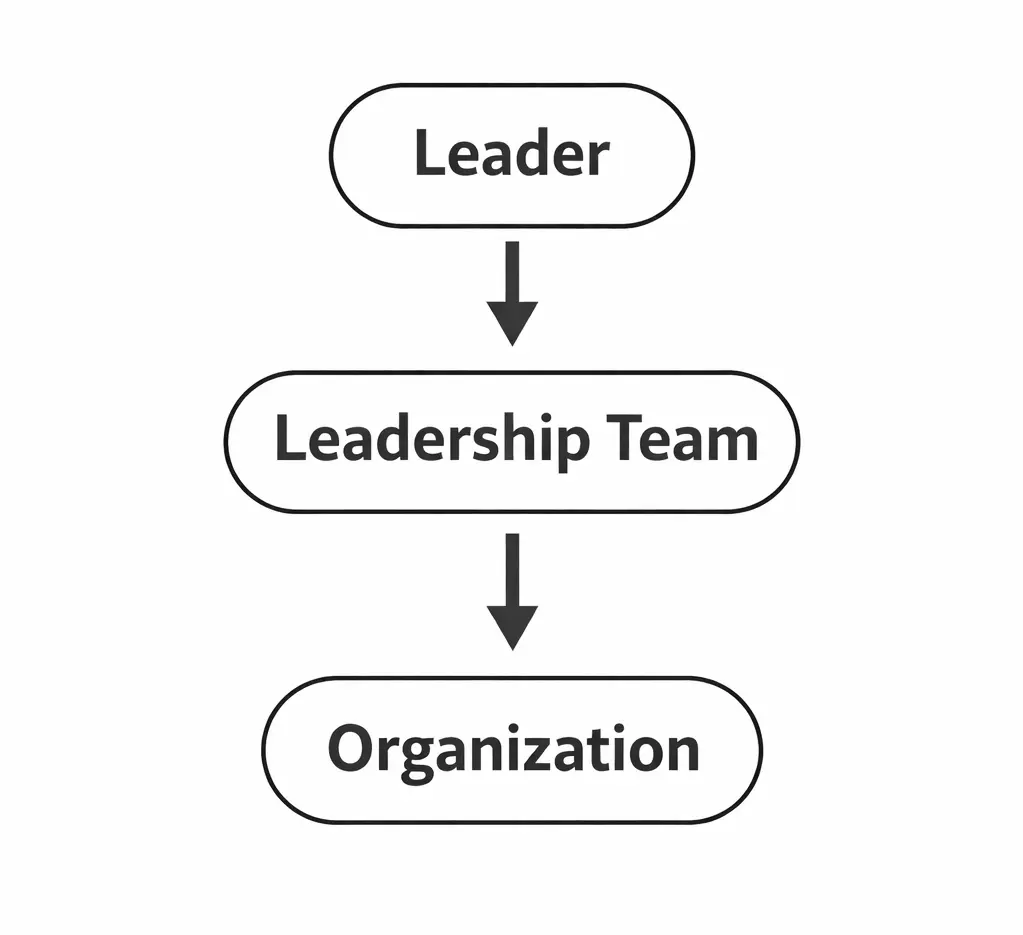
When patterns change, results follow.
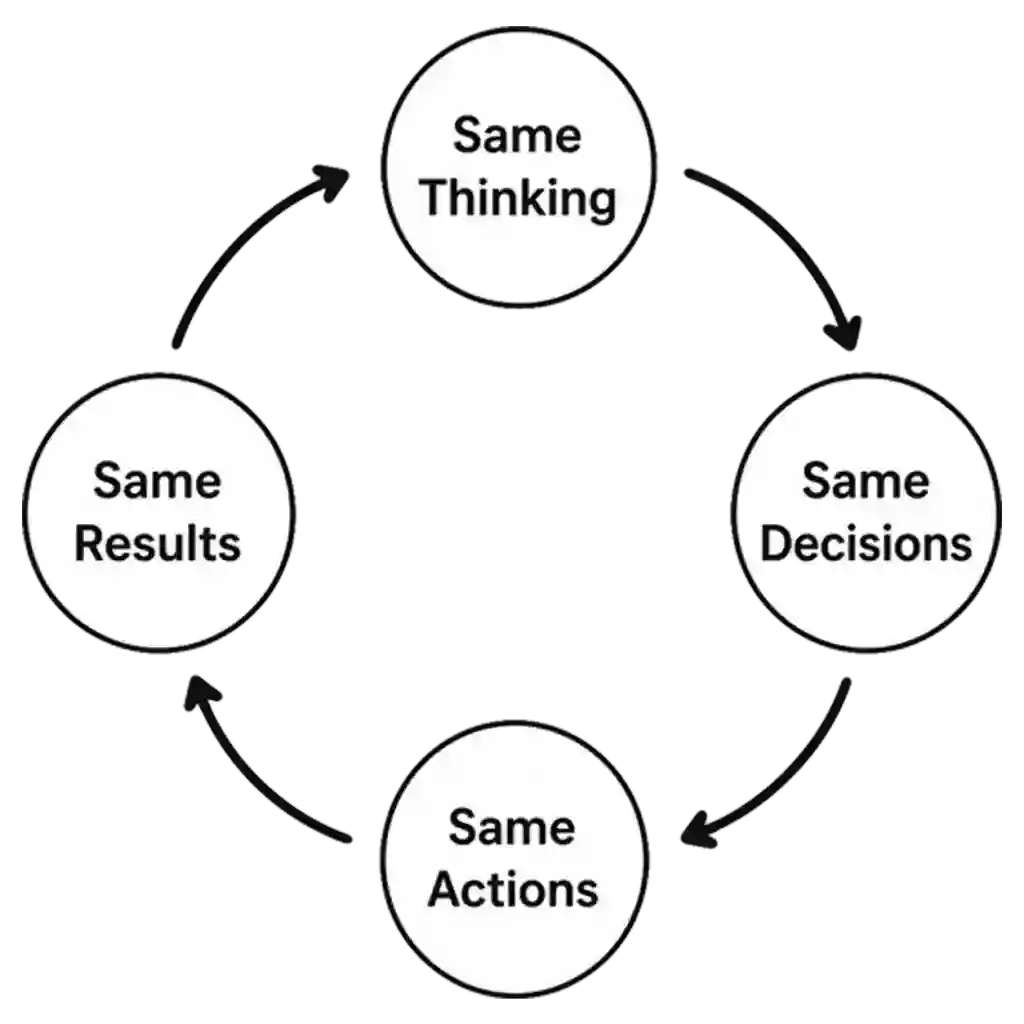
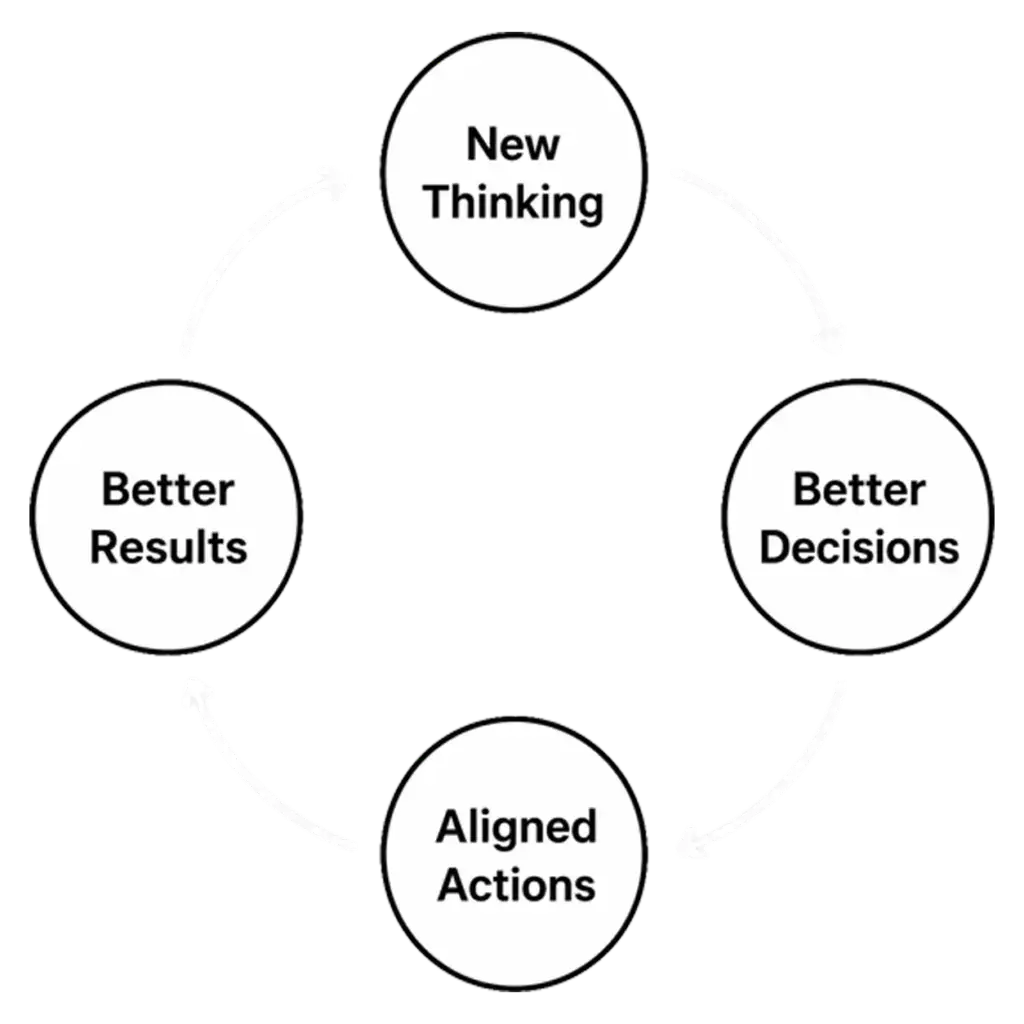
Change the Pattern→ Change the Result
Where This Became Real
In 2012, I was diagnosed with Acute Myeloid Leukemia.
I was given less than a 3% chance of survival.
When I entered the hospital, I began studying and applying the work of Dr. Joe Dispenza, including Breaking the Habit of Being Yourself.
This wasn’t theoretical.
It was personal.
And it changed everything.
Not just how I approached my health— but how I understand performance, leadership, and lasting change.
Today, I bring those same principles into organizations-helping leaders break the patterns that limit performance and create new results that stick.
Doug shares how a life-threatening diagnosis reshaped his understanding of performance—and what it really takes to change results.
What Changes When Leaders Change
This is how organizations shift from reactive to proactive—
operating with clarity, alignment, consistent performance, and growth.
What Leaders Are Saying
Wade Hiner
Business Development Manager
DCI Group

“100% of my team confirmed they have been able to
apply what they learned in their work.
The workshop has been a factor in getting our team
on track and focused to deliver against our vision and
strategy.”
Marie Quinton
Cisco, Sales Enablement Team

“Leaders recognized their mindset shaped their teams.
They changed how they responded—and became a
positive influence during major operational change.
This group became influential in a positive way when
new communication came and helped manage the
transitions with their team.”
Valentin Villa
Director Human Resources
Amway Latin America

Leaders who close this gap don’t just think differently—they lead differently. And their teams follow
Change How Your Organization Performs Under Pressure
Schedule a 30-minute leadership conversation to identify where execution is breaking down under pressure-and how to fix it.